Working DX: Split Operation, Pileups, and the Art of Being Heard
Breaking a pileup is a skill, not a power contest. Here is how split operation works and the timing that gets a hundred-watt station through.
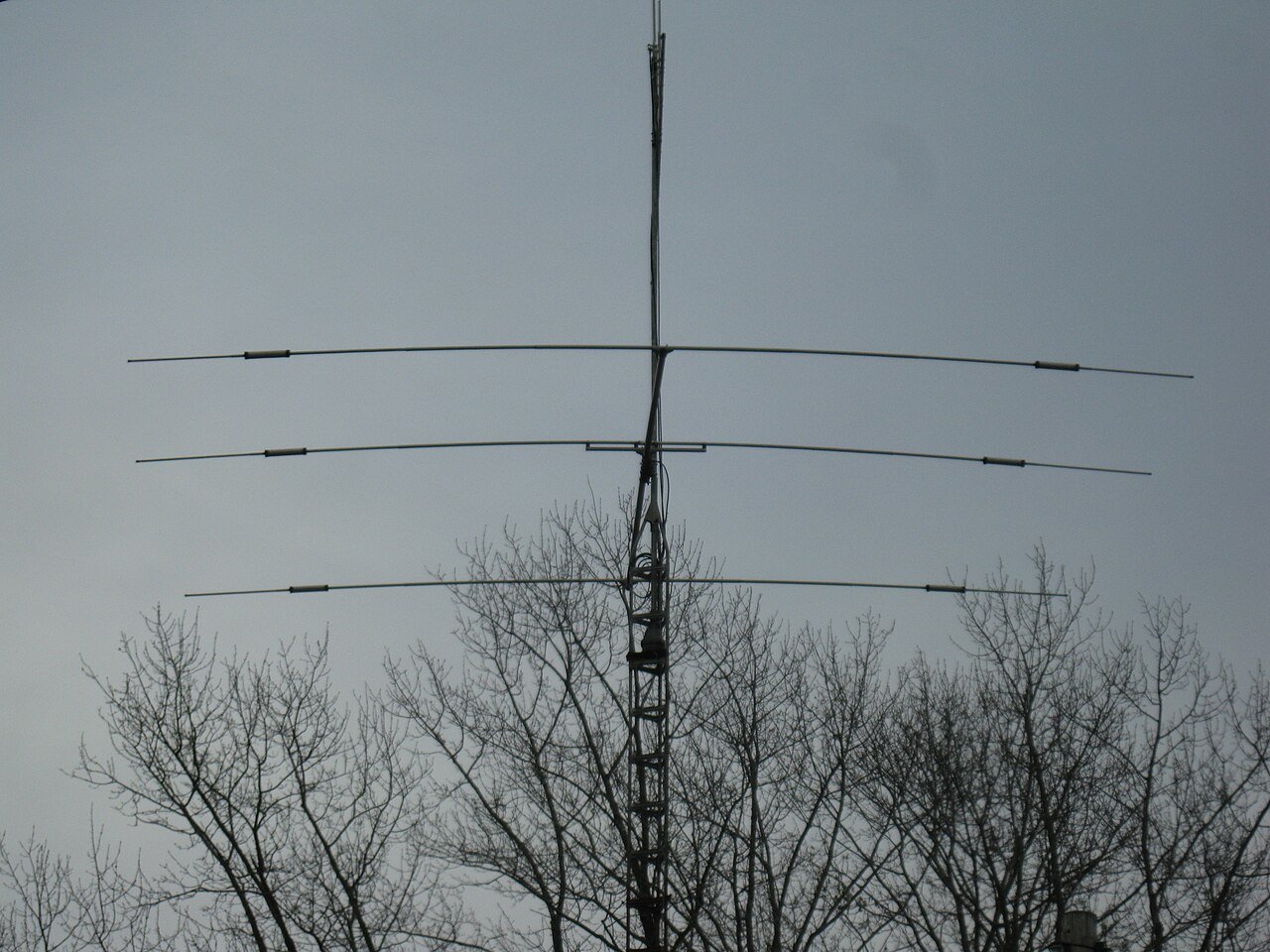
The band is full of stations you cannot hear
The first time a new HF operator finds a genuine pileup, the experience is disorienting. There is a wall of callers stacked on one frequency, someone is clearly working stations at a rate of two per minute, and yet the station being called is nowhere to be found on that frequency. Ten minutes of confusion later the operator concludes the band is broken and moves on, and a rare entity that would have been an easy contact goes unworked.
Nothing is broken. The station in demand is transmitting on one frequency and listening on another, a practice called split operation, and it is the standard method for handling more callers than a single frequency can absorb. Understanding split, and the timing and etiquette that surround it, is the difference between collecting rare contacts with a modest station and spending years believing that DX requires an amplifier and a tower.
What split operation actually is
In split operation the DX station transmits on, for example, 14.023 MHz and announces that it is listening up one, or listening 14.025 to 14.030. Callers transmit in that separate listening window rather than on the DX station's own frequency. The advantage is immediate: the DX operator's transmit frequency stays clear, so everyone can hear the exchanges cleanly, and the callers spread out across several kilohertz instead of all landing on top of one another.
Every modern transceiver has a split function, usually a button marked SPLIT plus a second VFO. The workflow is always the same: put the DX station's transmit frequency on VFO A, set VFO B to the announced listening frequency, enable split, and confirm before you key up that your transmit frequency is where you intended. Most radios let you monitor either VFO by holding a button, which is the single most useful habit in DX work because it lets you hear where the successful callers are.
The mistake to avoid is transmitting on the DX station's own frequency because you did not notice the split announcement. It is instantly obvious to everyone listening, it disrupts the contact in progress, and it earns a chorus of terse corrections. Listen for at least a full cycle before you transmit anything.
Listening is the entire skill
Experienced DX chasers spend far more time listening than transmitting, and not out of politeness. The information you need is entirely in the audio. Which part of the listening window is the DX operator favoring right now? Are they working stations in strict frequency order, sweeping upward through the window and starting over? Are they calling by numbered district, or by continent? Do they come back with a partial call sign when they only caught fragments? Every one of those patterns changes where and when you should transmit.
The most common pattern is a slow upward sweep. The operator works someone at the bottom of the window, then the next caller slightly higher, and continues climbing until the window is exhausted, then jumps back to the bottom. If you can identify the sweep and the rate, you can place your call slightly above the last successful station and be the loudest thing in a quiet slice of spectrum at exactly the moment the DX operator's receiver arrives there. That single technique is worth more than ten decibels of transmitter power.
Calling technique that works
Send your call sign once, completely, and then stop. Not twice, not three times, and never continuously. The DX operator is listening in short windows between transmissions, and a station calling continuously is simply noise during the period when the operator is trying to reply to someone. One clean pass of your full call sign, then silence, then listen for the response.
If the operator comes back with a partial, say the last two letters of your suffix, respond immediately with your full call sign twice and nothing else. Do not add a signal report, a name, or a greeting until the call sign is confirmed. Rare-station contacts are deliberately minimal: call signs and reports, nothing more. That brevity is not rudeness; it is what allows several thousand people to work the same station in a weekend.
Power is not the answer, timing is
The instinct when you cannot get through is to add power. The arithmetic argues otherwise. Going from a hundred watts to a kilowatt is ten decibels, which is genuinely significant, but in a pileup of four hundred callers there are dozens of stations within a few decibels of each other, and the operator picks whichever one happens to be in a clear spot when the receiver sweeps past. Being three kilohertz away from the crowd is worth more than being ten decibels louder inside it.
The variables you actually control are frequency placement, timing, and how clean your transmitted signal is. A station with well-adjusted audio and no splatter is easier to copy than a louder station with a distorted signal spraying across two kilohertz. Check your transmit audio with a monitor or ask a local operator to listen. Overdriven speech processing is one of the most common reasons a strong station is hard to pull out of a crowd.
Etiquette, and the people who ignore it
A pileup runs on a handful of conventions. Do not call when the DX station has asked for a specific region and you are not in it. Do not send your call sign while the DX station is transmitting. Do not transmit on the DX station's own frequency at any time. Do not ask the DX station to repeat its call sign; look it up on a cluster or wait. And when someone else is clearly being worked, stay off the air until the exchange finishes.
You will hear all of these rules broken constantly, often by stations that have been licensed for decades. Resist joining in and resist the urge to police the frequency, because the stations complaining about the disruption usually cause more of it than the original offender. Sit quietly, watch for the sweep, and let the noise work in your favor.
Confirming and logging properly
A contact only counts when both operators log it correctly, and the DX station's log is the one that matters for awards. Record the exact time in UTC, the band, the mode, the report you sent and received, and your own call sign exactly as the DX station repeated it. If they repeated a wrong letter, correct it on the air before you finish; a busted call sign in their log means the contact does not exist for you.
Upload to Logbook of the World promptly, because most DX operations reconcile electronically within days and a matching entry appears almost immediately. The HAMSTATION logbook tool will keep entries in your browser and export CSV if you want a simple record before committing to full logging software. And for planning the next attempt, the Maidenhead locator converter and the band plan reference together will tell you where and when a given path is likely to open, which turns DX chasing from luck into something you can schedule.
Every HAMSTATION tool runs entirely client-side. No accounts, no tracking, no server storage.
Open the toolkit →