The HAMSTATION Blog
Long-form guides on antennas, propagation, digital modes, and the everyday craft of being on the air. Written for operators who want to understand what they are doing, not just push buttons.
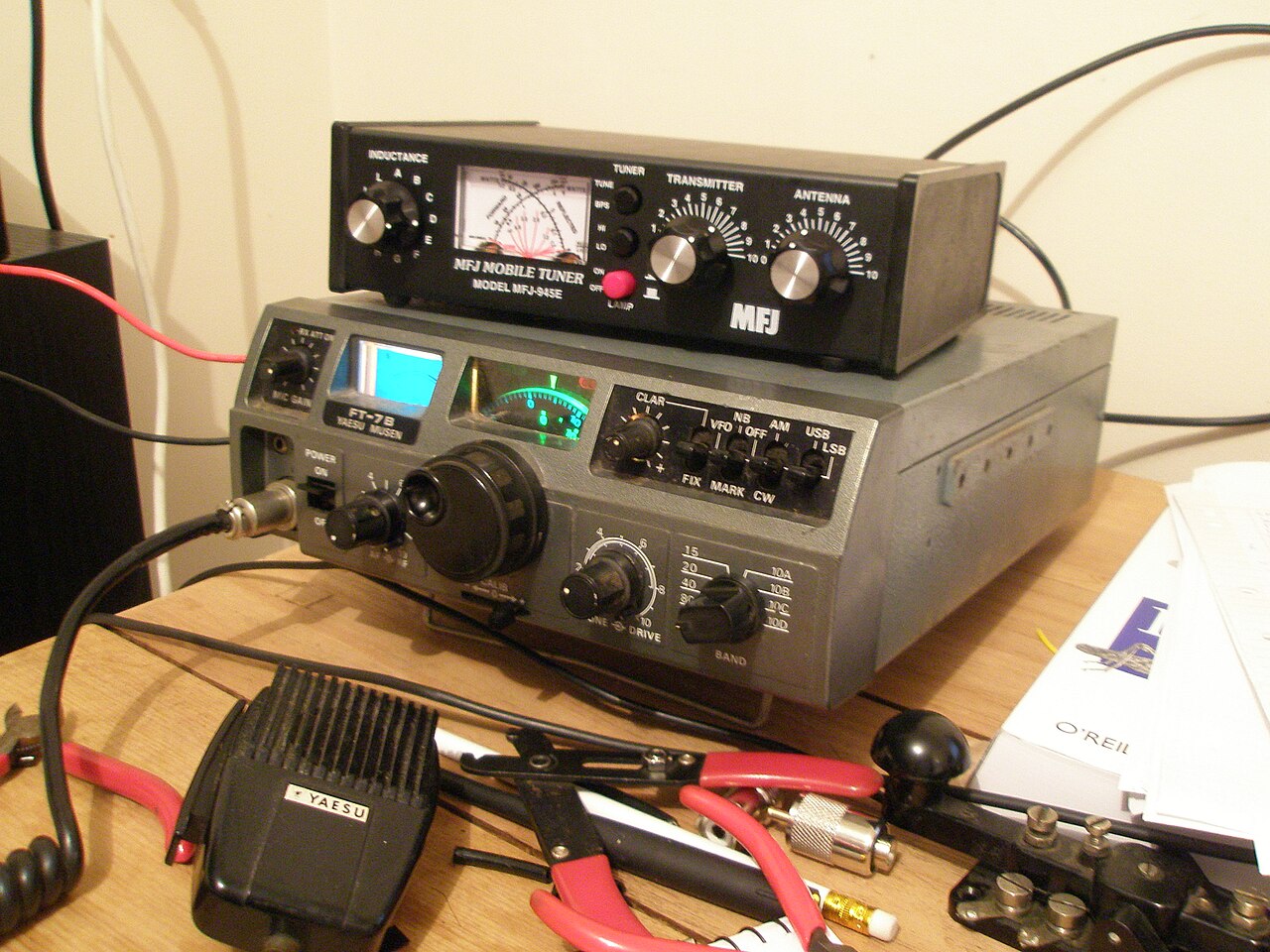
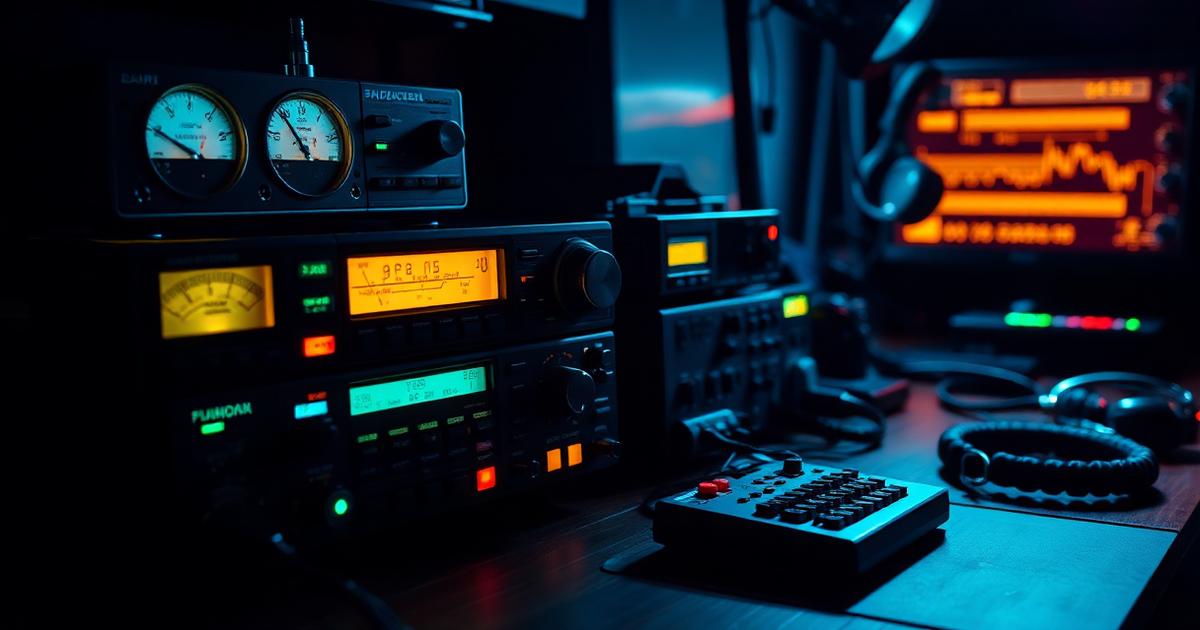
Getting the Most From Your Receiver: Filters, AGC, and DSP
Most operators use a fraction of the receiver they paid for. These seven controls turn a marginal signal into a readable one without spending anything.
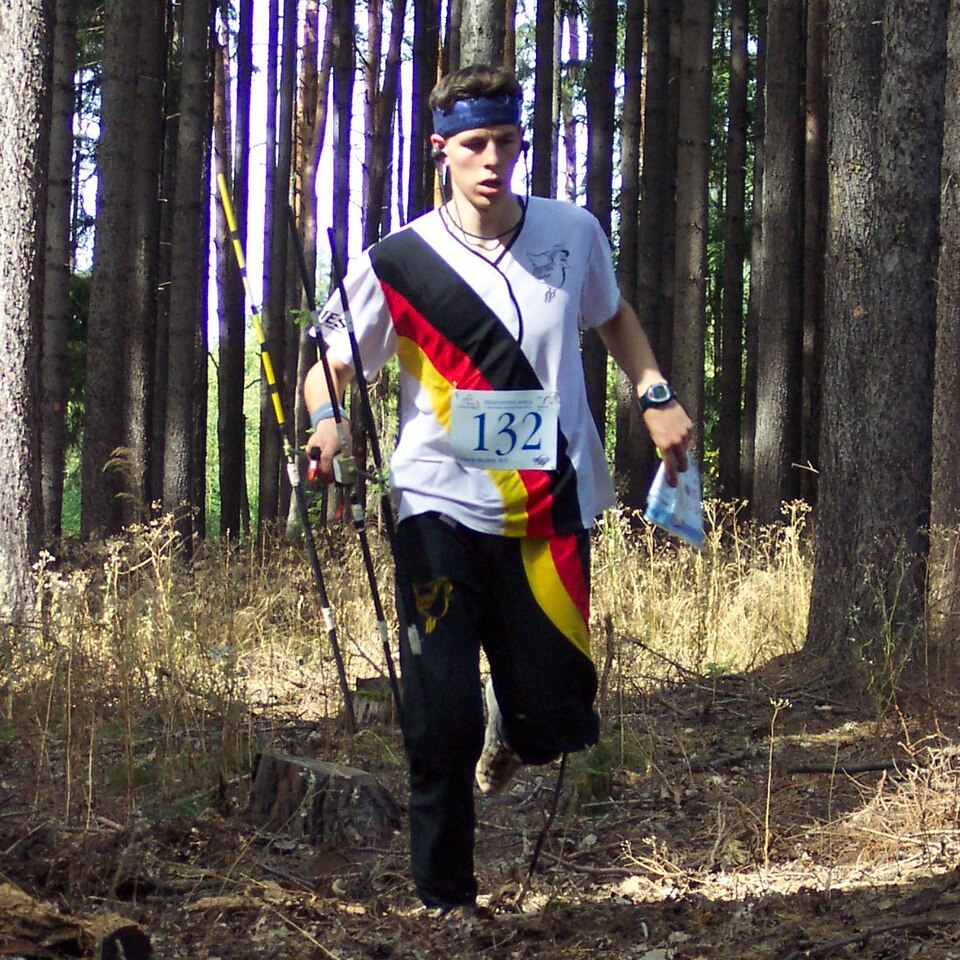
The skill that lets you find a hidden transmitter in a park is the same one that finds the noise source killing your receiver. Here is how it works.
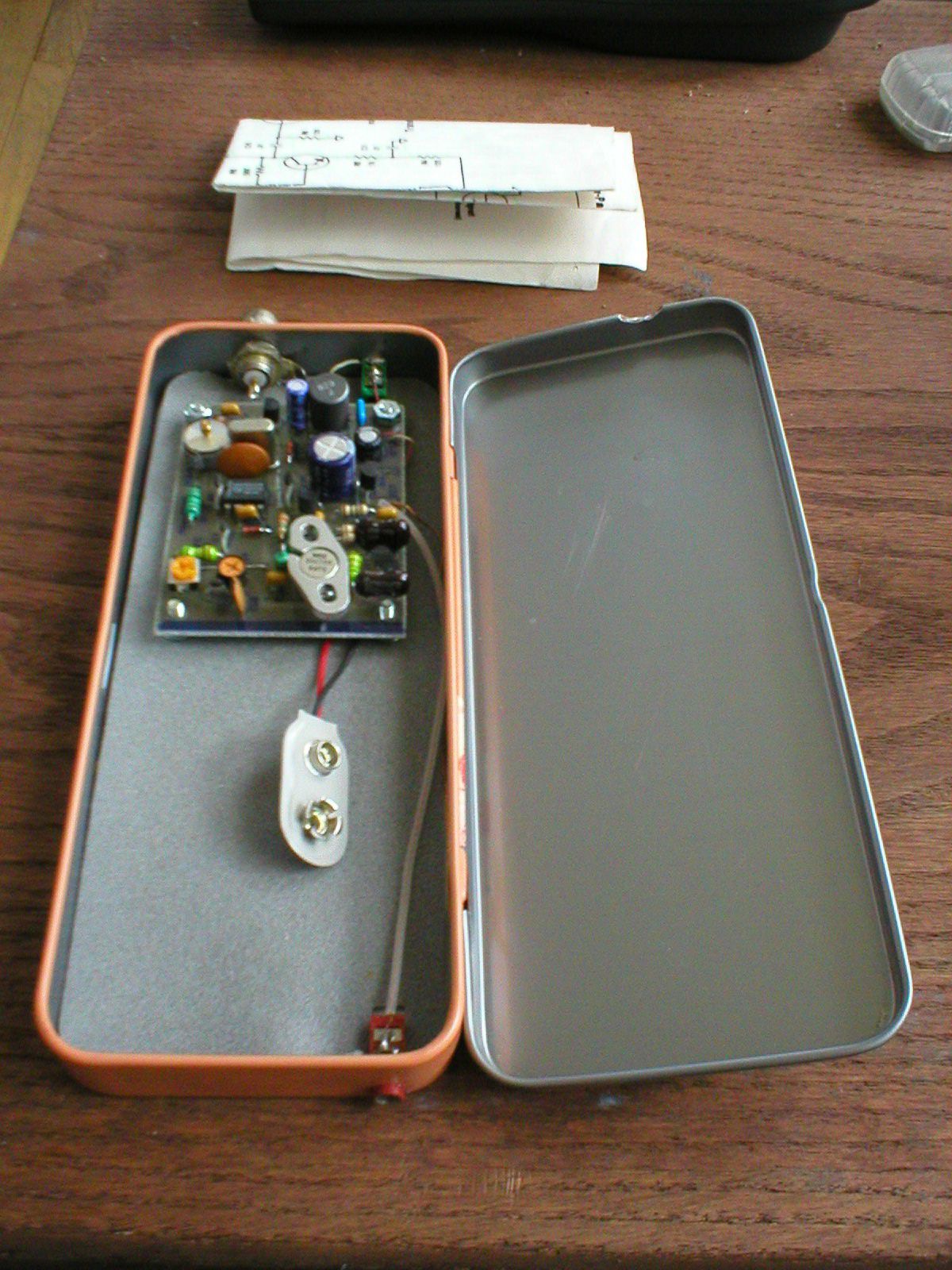
Cutting power from a hundred watts to five costs thirteen decibels. Here is why that matters far less than beginners expect, and how to make it work.
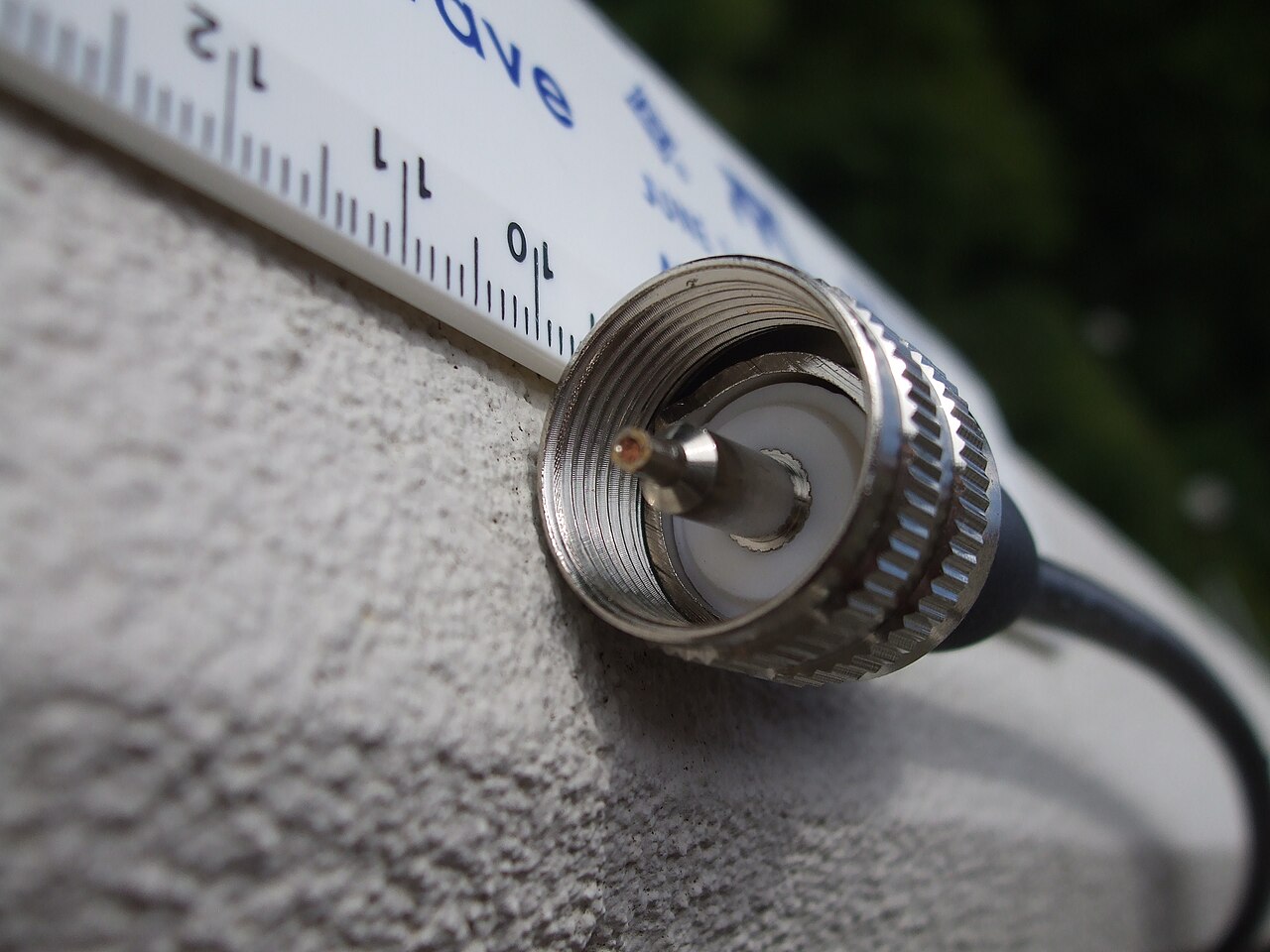
The connector you built yourself is the most likely failure point in your station. Here is how to make one that lasts twenty years outdoors.
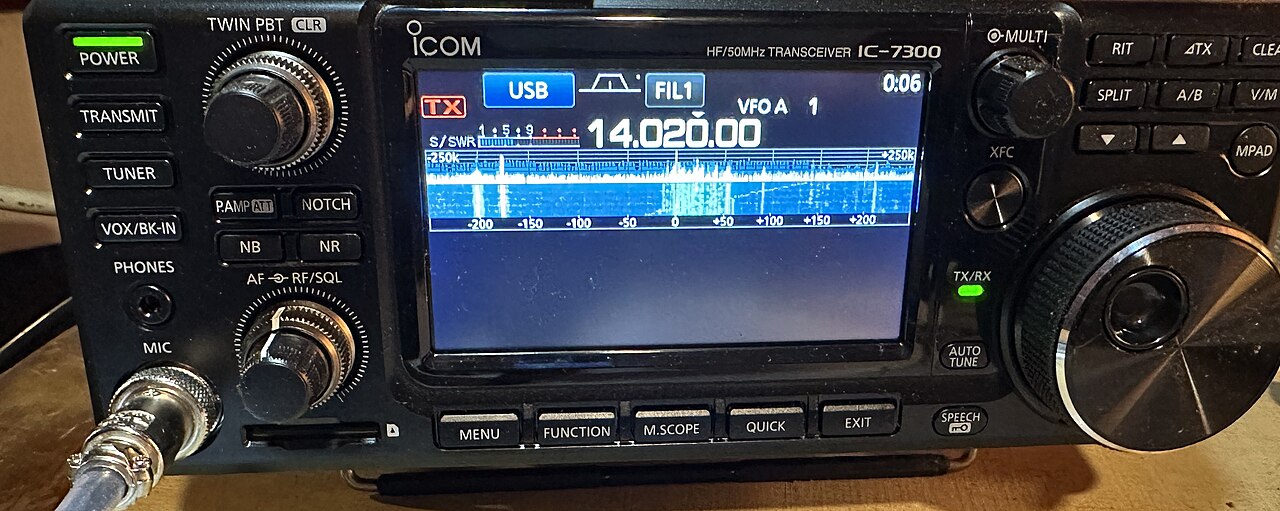
Modes are engineering tradeoffs between bandwidth, power efficiency, and audio quality. Understanding the tradeoff tells you which one to reach for.
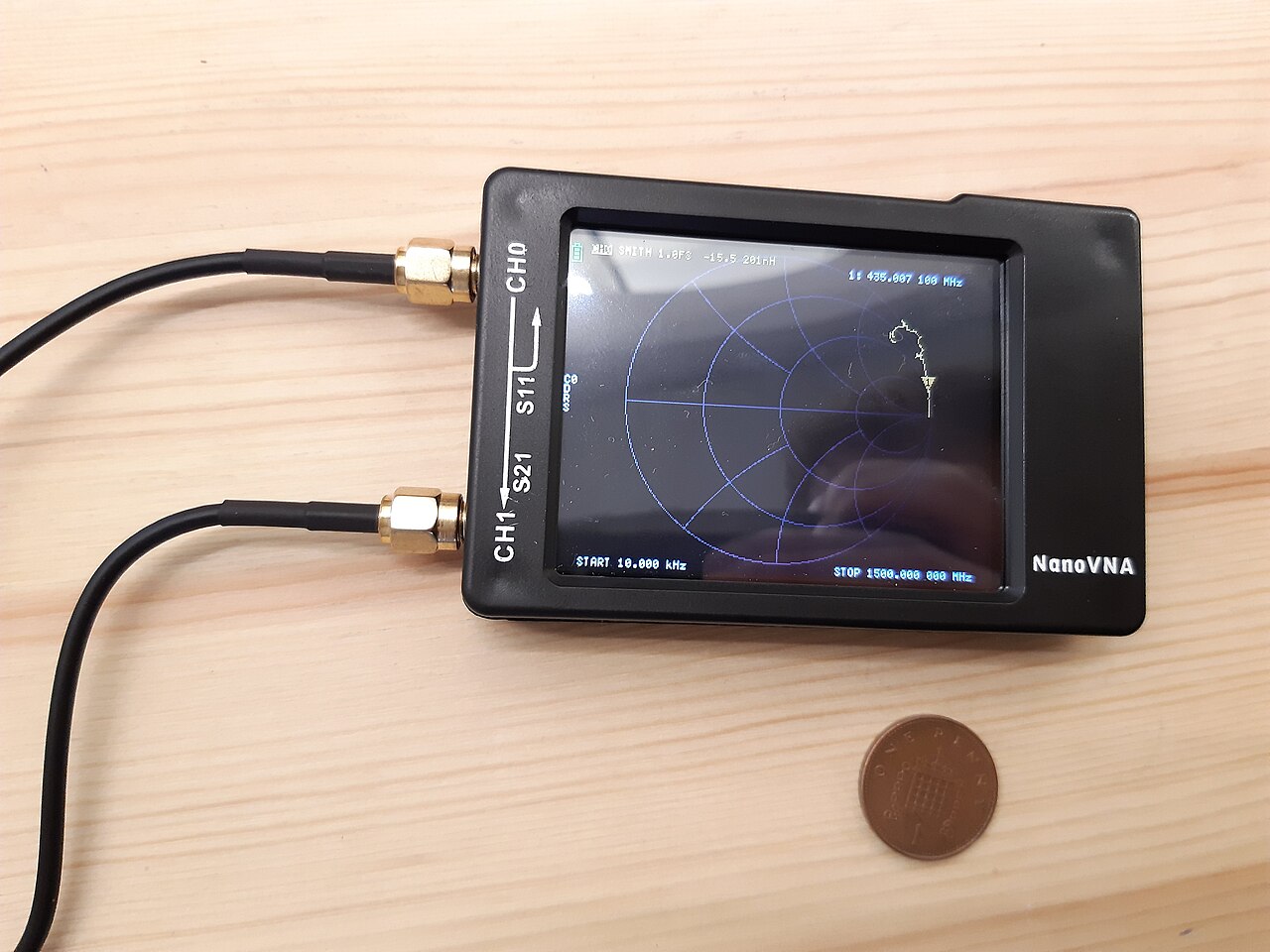
A fifty-dollar vector network analyzer answers questions that used to require guesswork. Here is how to calibrate it and what to actually measure.
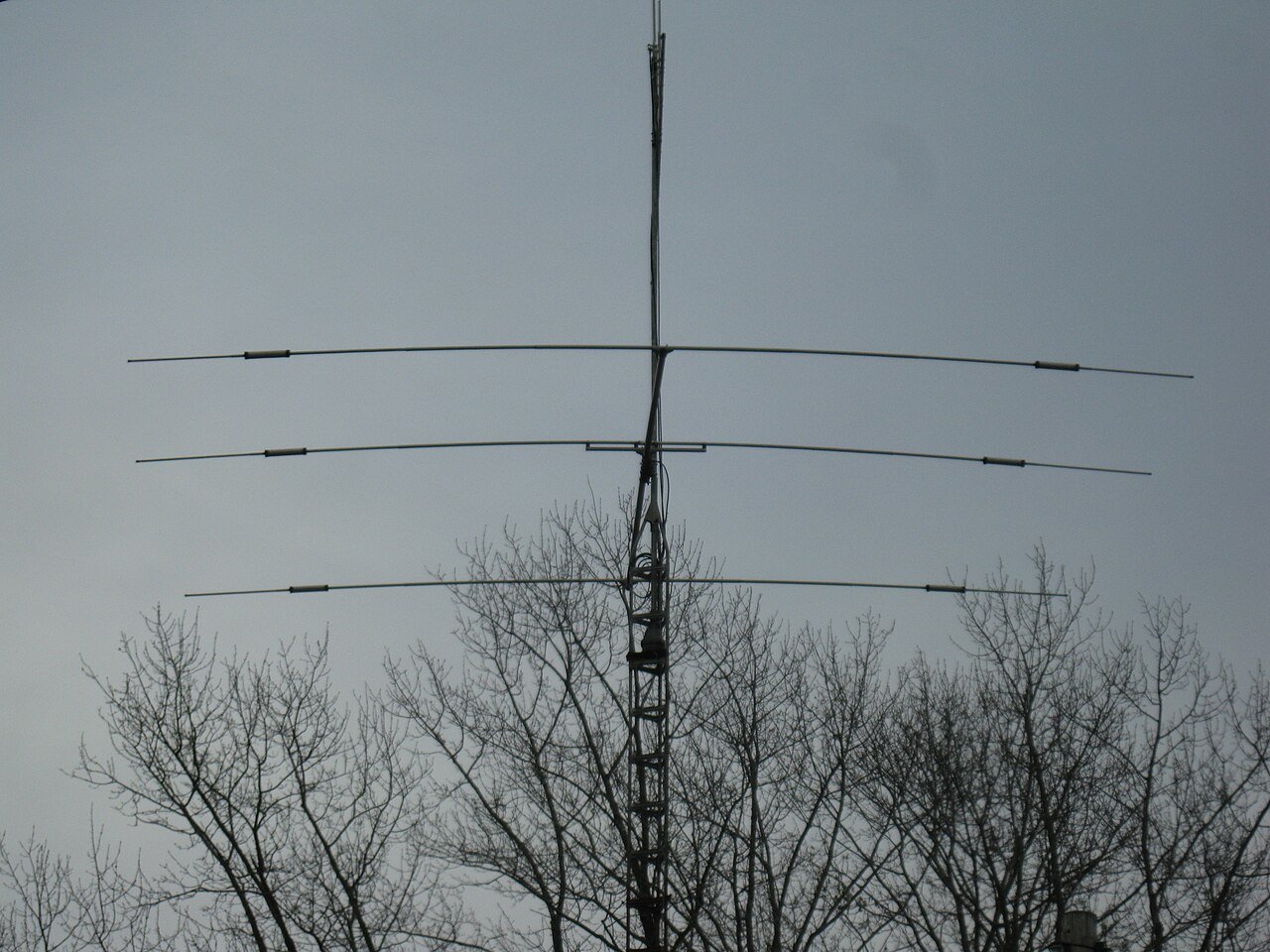
Breaking a pileup is a skill, not a power contest. Here is how split operation works and the timing that gets a hundred-watt station through.
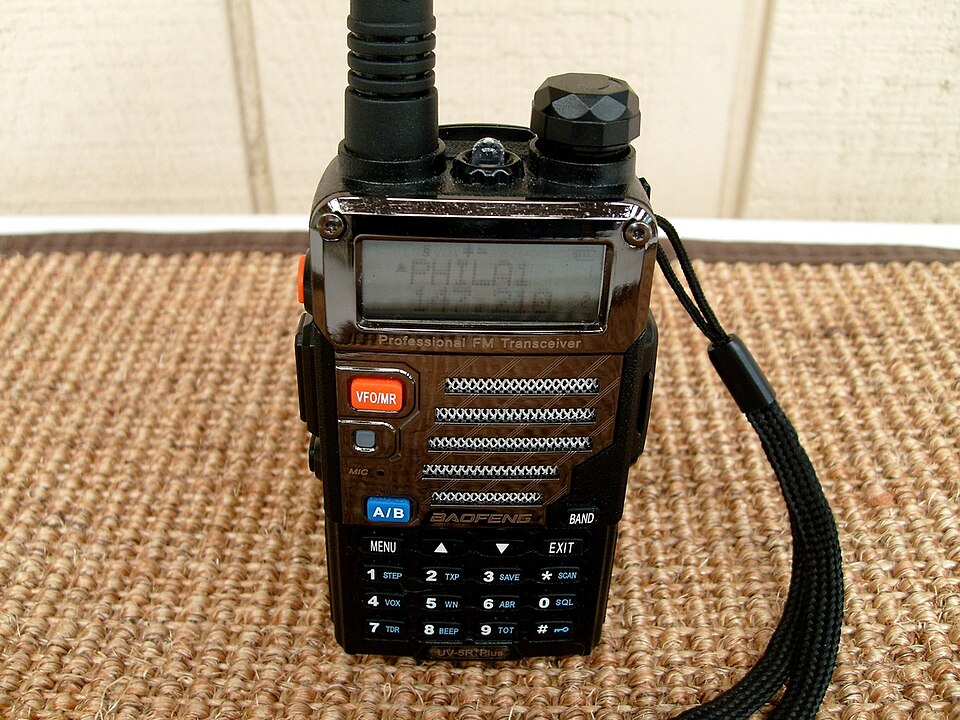
Front-panel programming is why most handhelds sit unused. CHIRP turns an hour of menu diving into five minutes, provided you do the steps in the right order.
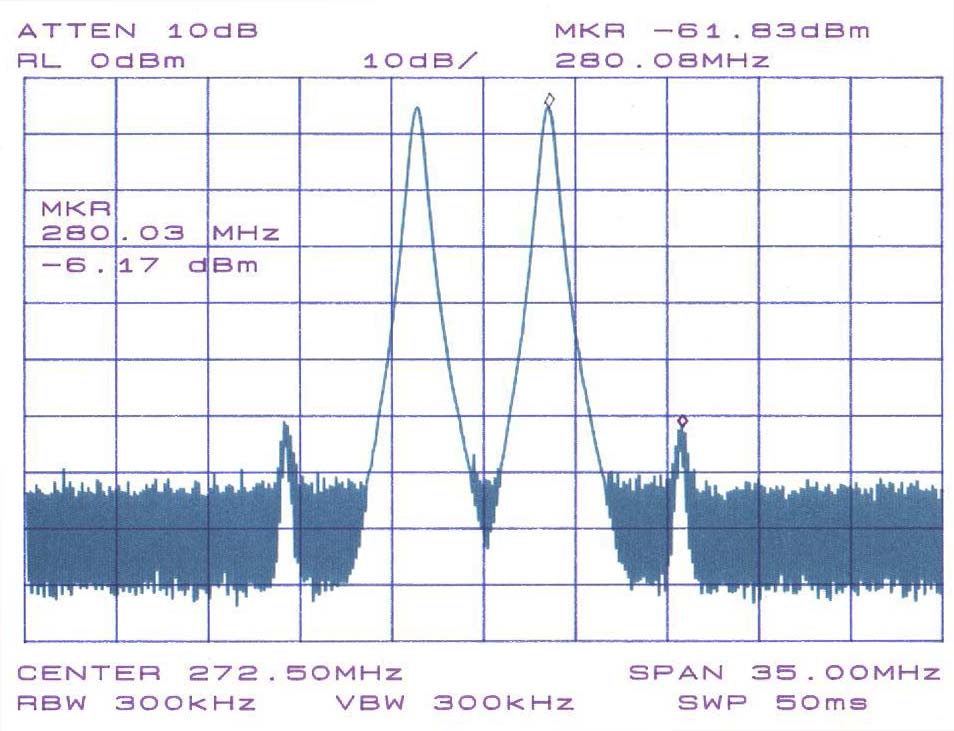
Decibels are the language every antenna, filter, and coax spec is written in. Learn three numbers and you can do the arithmetic in your head for good.
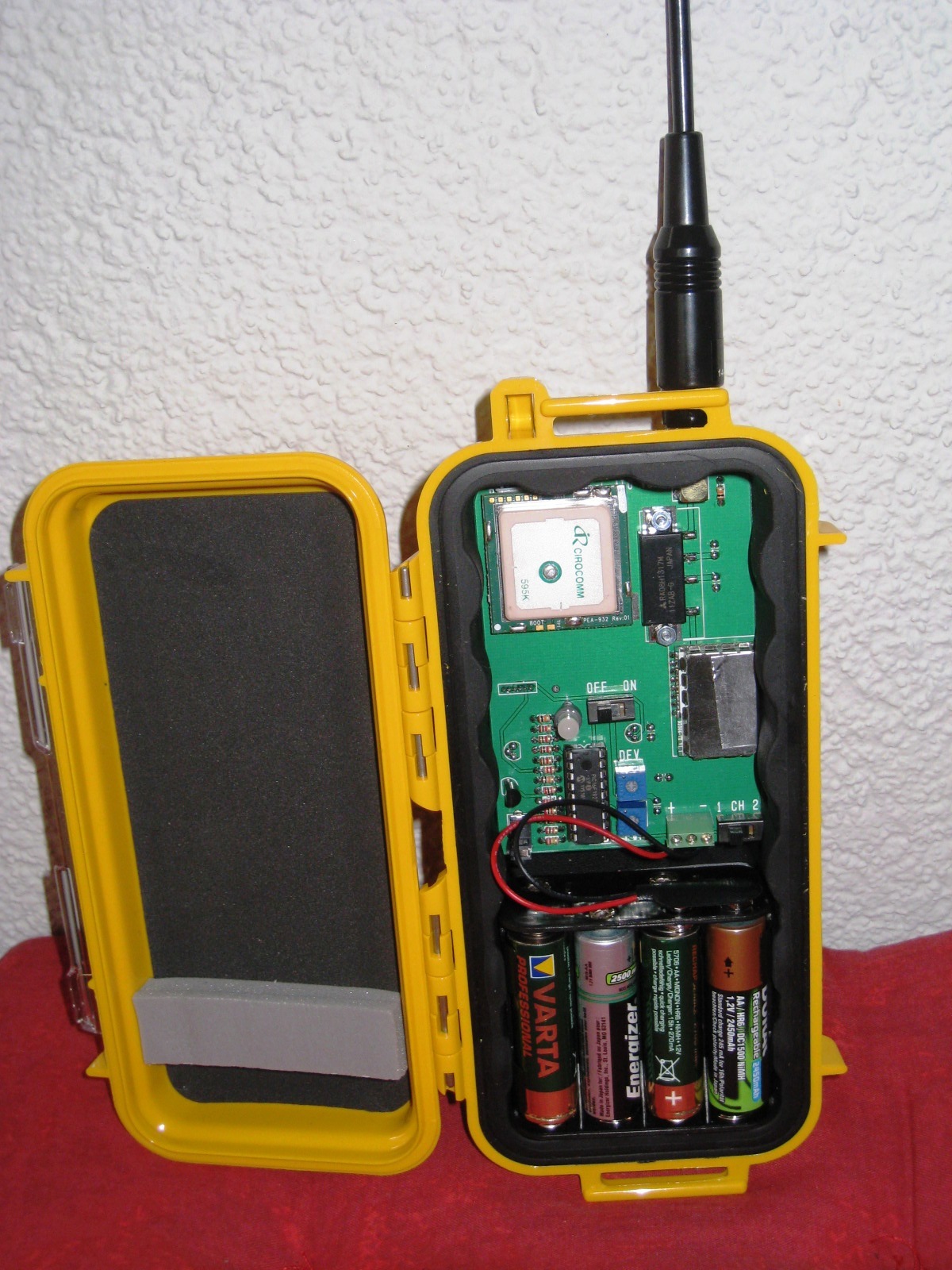
Long before consumer GPS tracking, hams built a real-time digital network on 2 meters. Here is how APRS works and how to join it without annoying anyone.
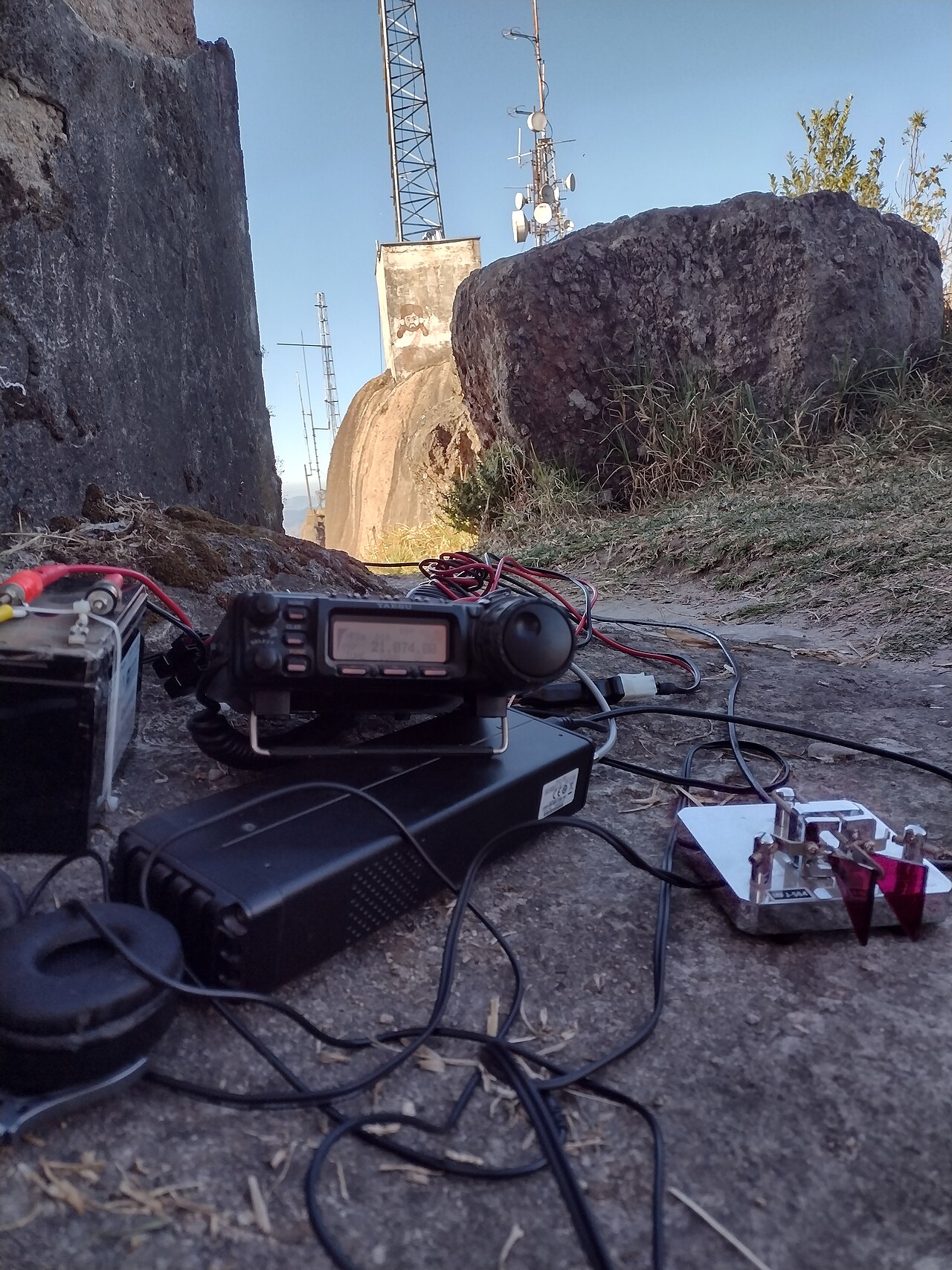
Park and summit activations turned portable operating into the fastest-growing corner of the hobby. Here is the kit, the technique, and the etiquette.
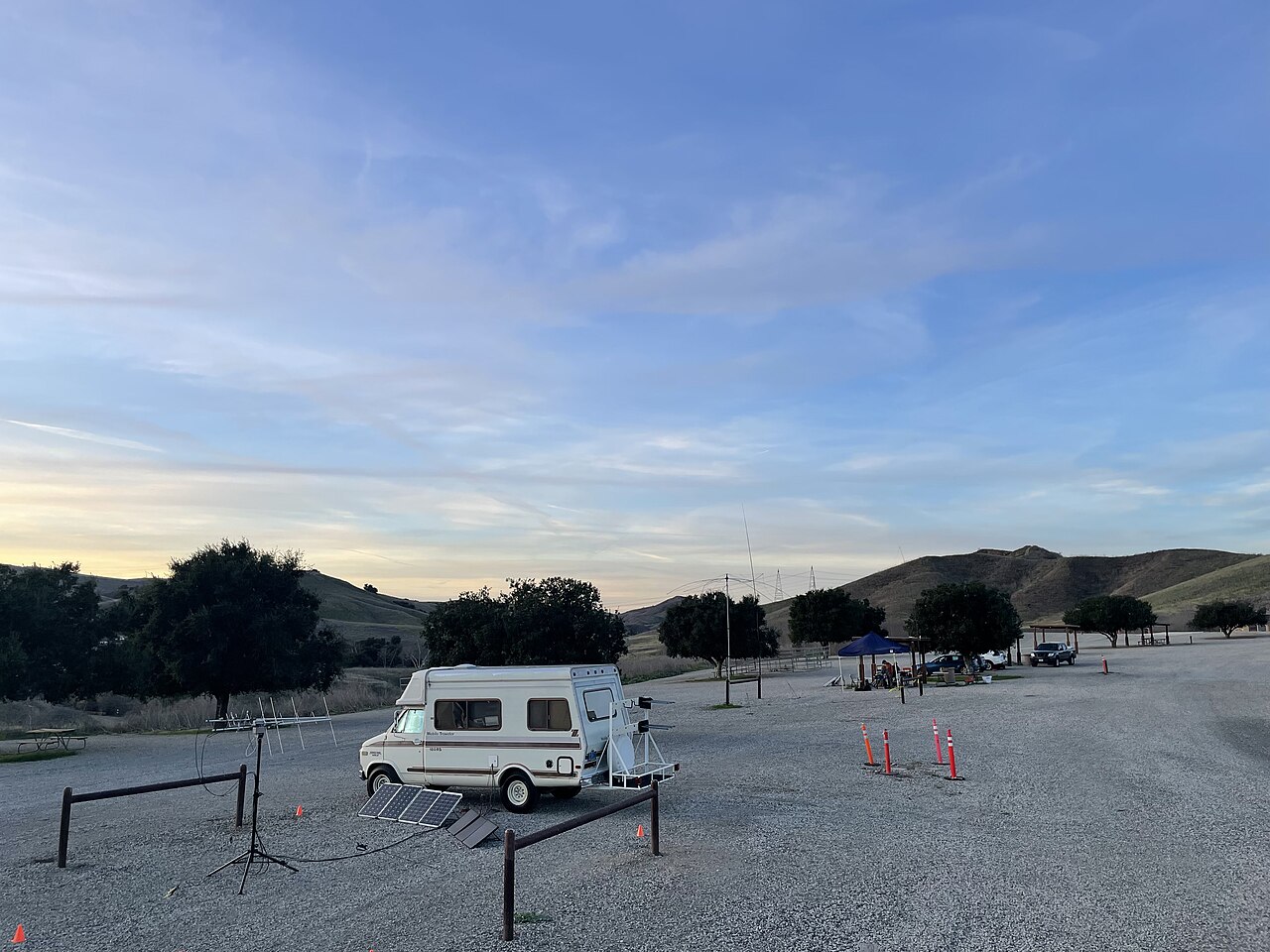
The exam is a much smaller obstacle than the folklore suggests. Here is a study plan, the topics that unlock everything else, and what exam day looks like.
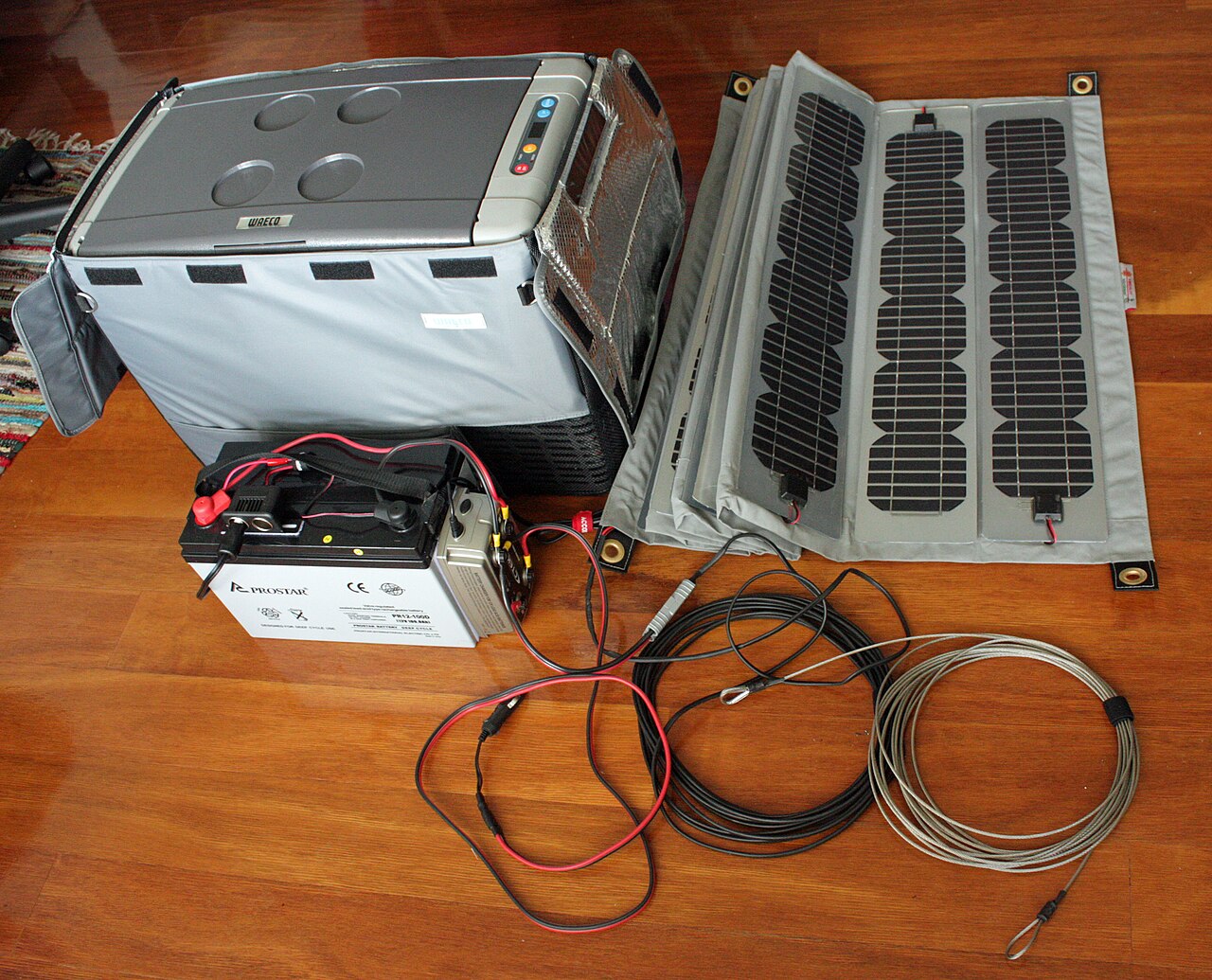
Most portable stations fail on power, not on radio. Here is how to size a battery, budget a weekend, and stop guessing at duty cycle.
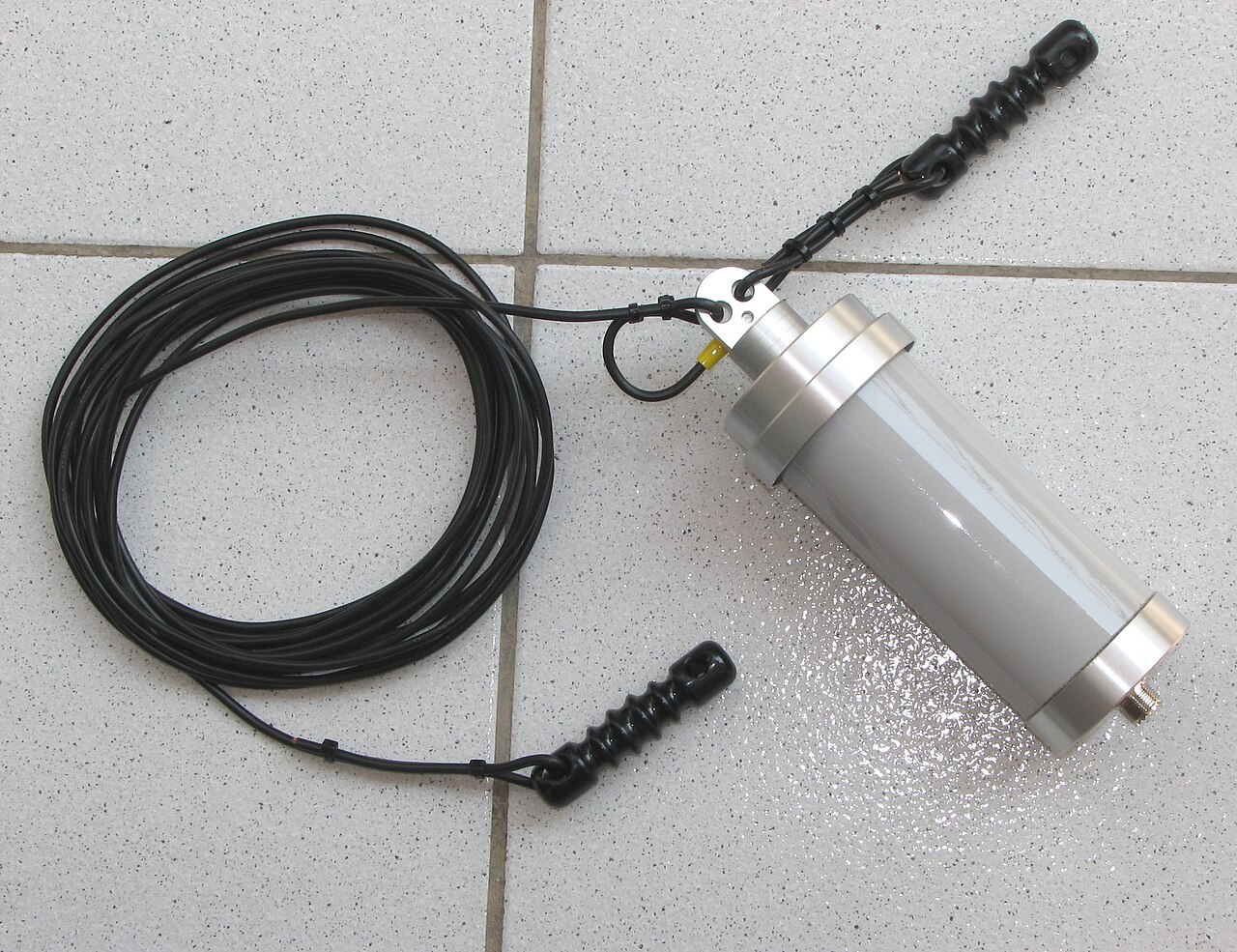
Half of the mysterious antenna problems in amateur radio are one problem wearing different masks. Here is what common-mode current is and how to stop it.
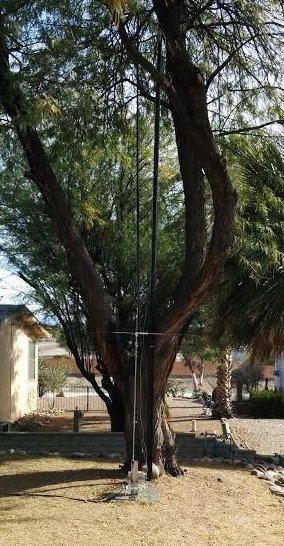
The antenna decides how far you get heard, not the radio. Here is an honest comparison of the three designs almost every new HF operator chooses between.
That mysterious buzz across 40 meters is almost never external. Here is a diagnostic order that finds and eliminates household RFI in an afternoon.
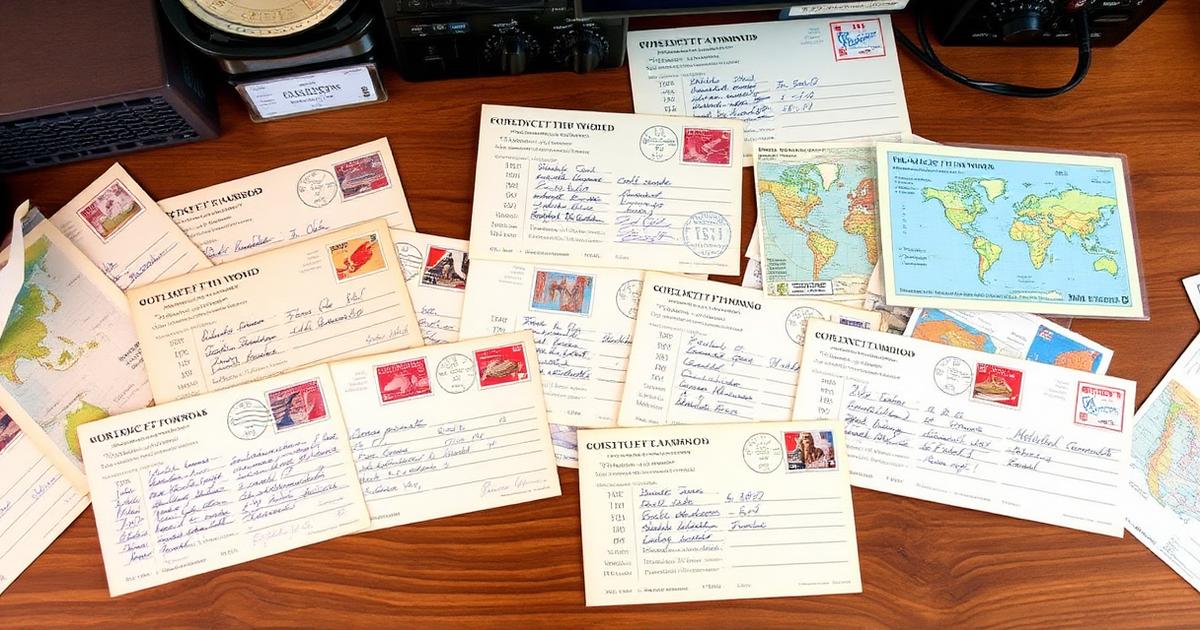
Confirmations are the paper trail of your on-air life. Here is how the modern awards ecosystem works and how to participate without paperwork burnout.
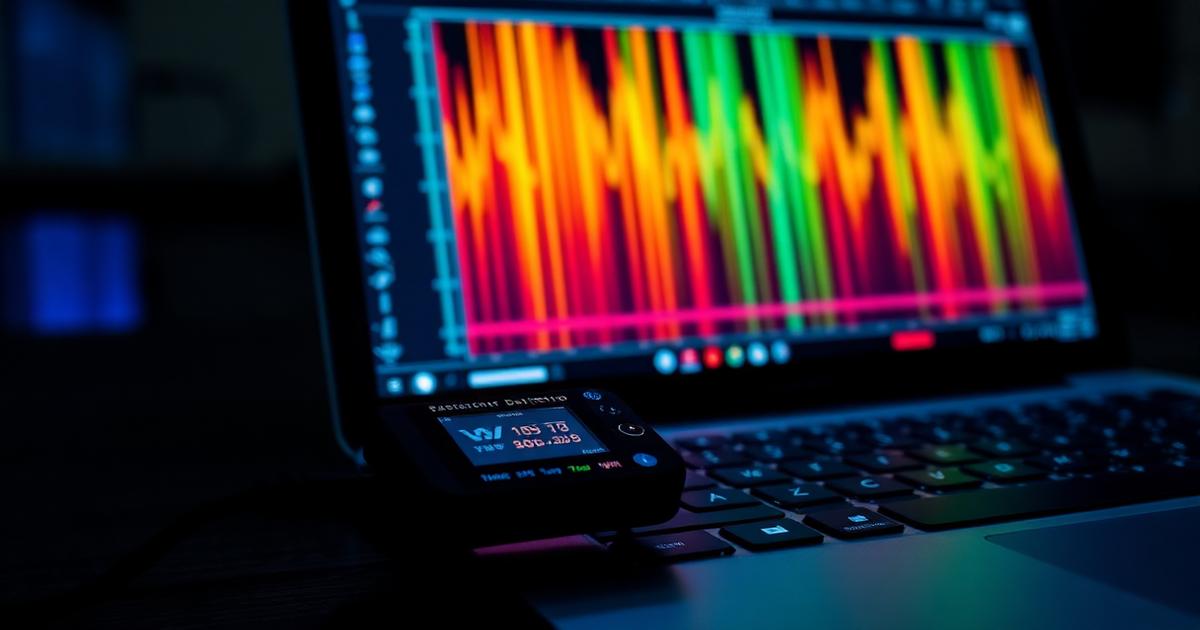
SDR turned every laptop into a spectrum analyzer. Here is what it is, why it changed the hobby, and how to get started for under thirty dollars.
The local repeater is where most new operators start. Learn the rhythm, the words, and the small courtesies, and you will fit in from the first transmission.
The Morse test is gone, and yet CW is more popular than ever. Here is why, and a training plan that fits into your commute.
Real emergency communications is quiet, unglamorous, and mostly about being reliable. Here is how to prepare a station that will still be on the air on day seven.
You can work amateur satellites with a five-watt handheld and a homemade antenna. Here is exactly how, from tracking software to your first contact.
Radio contests look like chaos. Underneath the noise is a simple structure that anyone can learn in an afternoon and enjoy for a lifetime.
RG-58, RG-8X, LMR-400, hardline. The names are a mess, the marketing is worse. Here is the honest guide to picking a feedline that matches the job.
A proper ground is boring, invisible, and the difference between a station that survives ten winters and one that dies in a single storm.
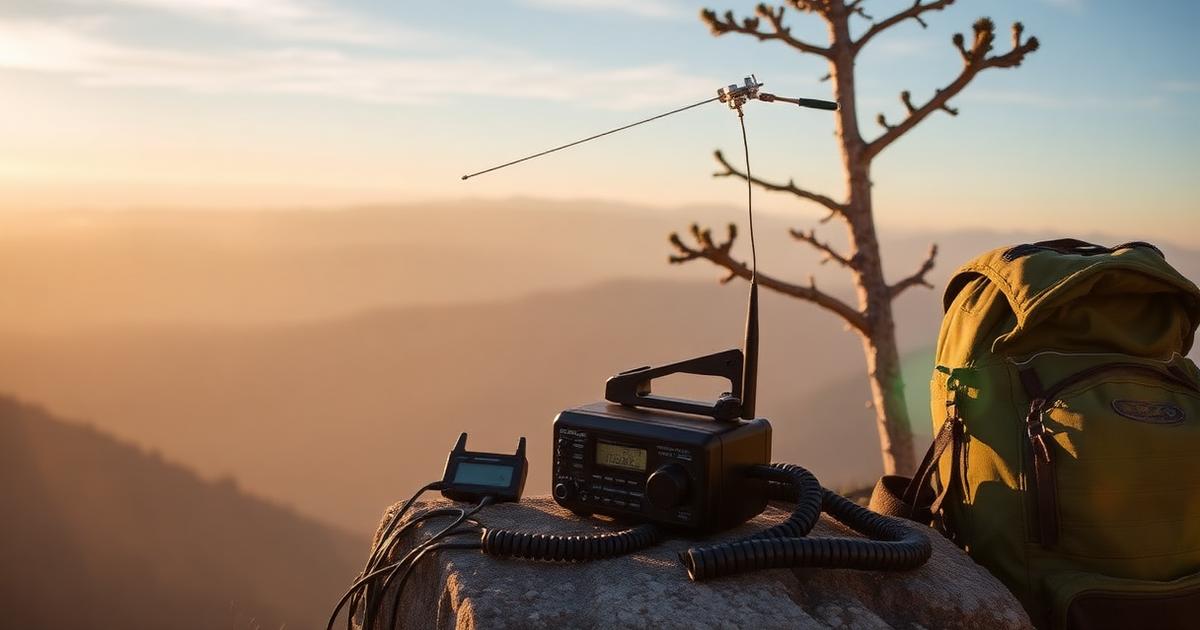
Portable operating turns a hobby into an adventure. Here is how to build a lightweight, reliable HF station that fits in a backpack and works from any hilltop.
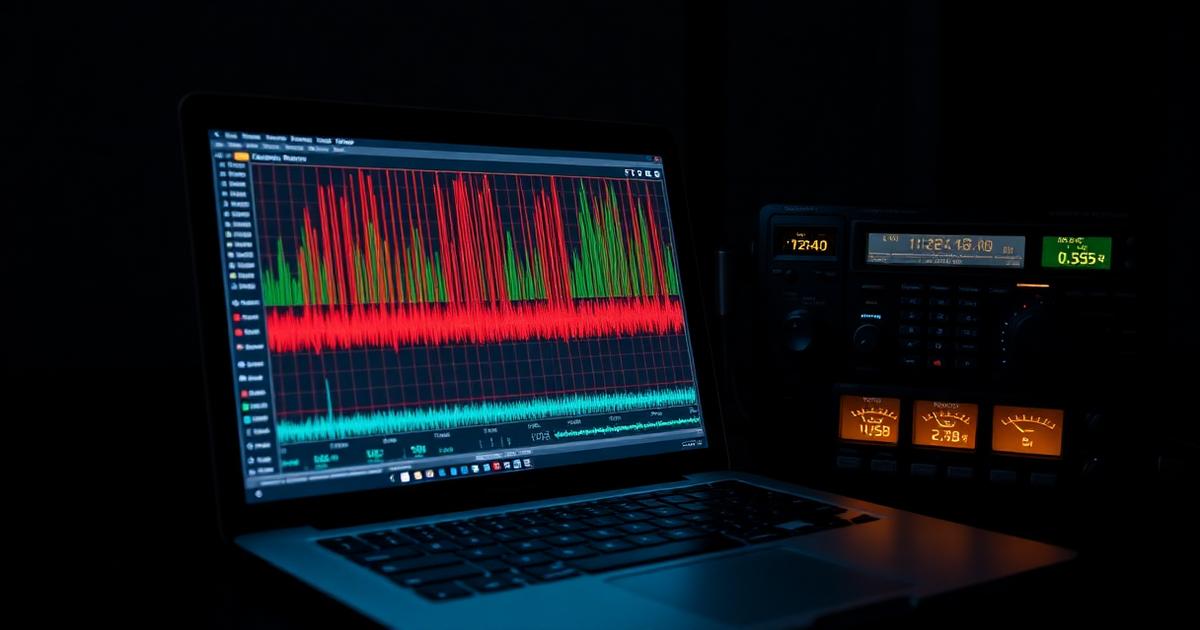
Digital modes have transformed what a modest station can accomplish. Here is how they work, when to use each one, and how not to become a robot.

The ionosphere is a weather system for radio waves. Learn to read it and you will always know which band to try before you turn the dial.
SWR is the number every new ham fixates on, but few can explain what it actually measures. Here is the physical picture, without hand-waving.
From your first study session to your first on-air contact, here is exactly what to expect when you decide to become a licensed ham radio operator.